Srebrenica Survivor Pleads for Truth and Responsibility at UN
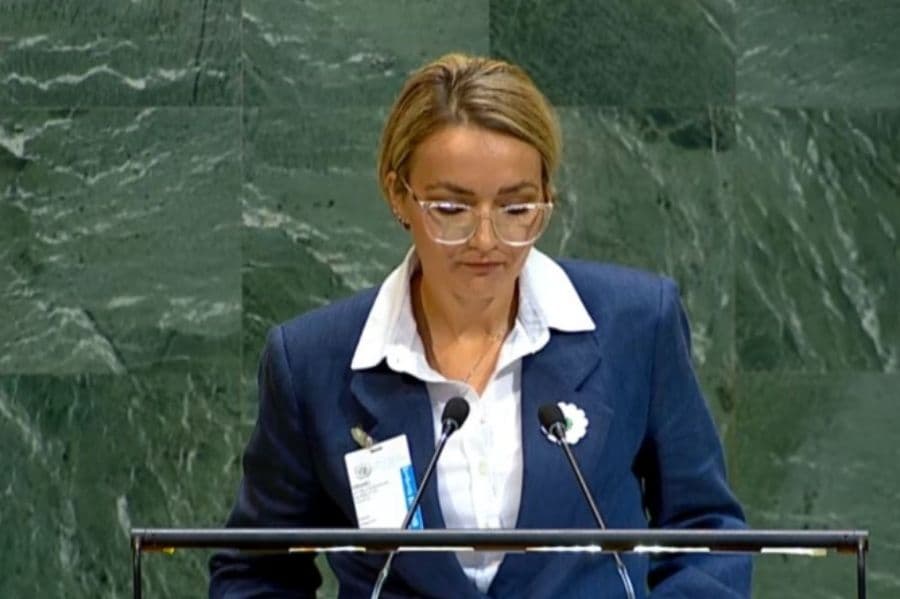
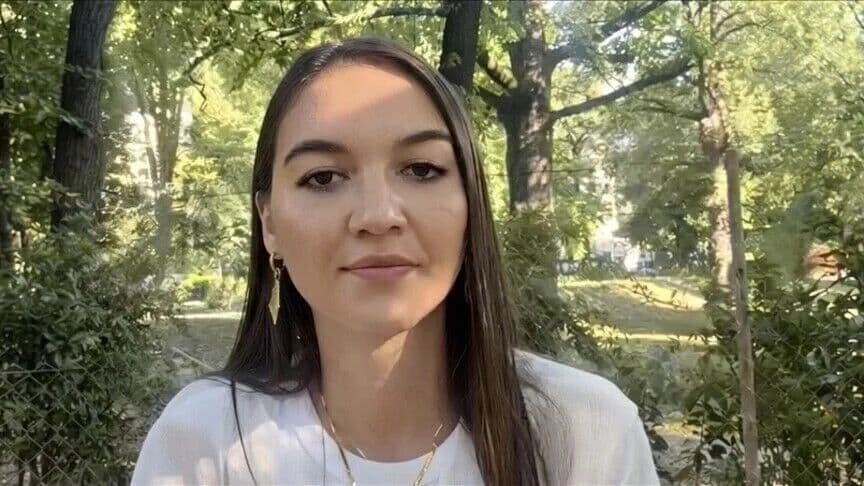
Emina Sinanović addressed the United Nations headquarters at a commemorative event for the International Day of Remembrance of Srebrenica Genocide victims. In an emotional speech, she spoke of losing her father, grandfather, and uncle to the genocide. She shared her experience of growing up without a parent and praised her mother's strength. Sinanović also highlighted the international community's responsibility, the ongoing denial of the genocide, and the critical importance of truth.
"I am the daughter of a man whose life was taken not just by bullets, but by the betrayal of a world that promised protection," Emina Sinanović began, introducing herself as a survivor and a mother dedicated to preventing future generations from suffering. She confessed she cannot recall her father's voice or hug, but vividly remembers the war, fear, and spending a night in Potočari at a UN base, witnessing chaos and feeling a profound absence. Not knowing what it means to have a father, she carries questions no child should ask.
In July 1995, her father, Muriz, left for safety through the forest, a journey from which he never returned. His last words to her mother were, "Take care of the children." Her mother fulfilled this promise, raising Emina and her brother alone. Despite immense grief, she instilled hope and dignity, not hatred, effectively saving two lives. Emina credits her mother's love and strength for shaping her into the woman she is today.
Her father, Muriz, was killed on July 13, 1995, in a Kravica warehouse at 32 years old. For Emina, Srebrenica is not just history but a daily reality—an invisible wall built by hatred. Years later, investigators found only a small cigarette box near his remains in a mass grave, becoming her sole physical memory. She stressed that genocide's impact extends beyond killings, stealing futures, embraces, and memories, leaving children to learn sorrow prematurely.
Speaking at the UN, 31 years later, Sinanović stood as a woman advocating for those who never had the chance to grow up. She questioned how to explain that the world's efforts were insufficient, and that her family's pain, shared by thousands, is also a burden on the UN, where protective decisions came too late.
Over three decades after the genocide, international court decisions are still questioned, and war criminals are glorified in her country. Sinanović declared that denying genocide is not a mere political stance; it's a systematic attempt to erase truth. Perpetrators and those who glorify their crimes remain free and politically powerful. She warned that the international community's silence empowers deniers, emphasizing, "denial of genocide means continuation of genocide."
She thanked member states for supporting the UN General Assembly Resolution on Srebrenica Remembrance Day. For survivors, this resolution affirms the importance of truth, justice, and remembering their loved ones. However, she cautioned that remembrance alone is insufficient; it must be coupled with responsibility and action. The resolution is a vital step, but without deeds, it cannot fully provide security or hope.
Emina highlighted that her father's murder, and the deaths of thousands, represent a profound failure of the international community to protect innocent lives in a UN-declared safe zone. She sought not sympathy, but for the world to assume responsibility and learn from history. She insisted on defending truth, respecting international court facts, and never allowing genocide denial.
Srebrenica, she concluded, serves as a global warning against hatred, lies, and indifference. Her father was a loving man with dreams, not just a number. Each name at the Srebrenica Memorial Center represents a stolen life and future. She honored the mothers of Srebrenica and Podrinje for their resilience and fight against forgetting. Through her work, Emina aims to ensure that such horrors are never repeated for future generations. Memory, she stated, is a promise for the future: that truth will prevail over lies, justice over indifference, and humanity will always be stronger than apathy.
People & Places