Remembering the Biljani Massacre and the Long Road to Justice
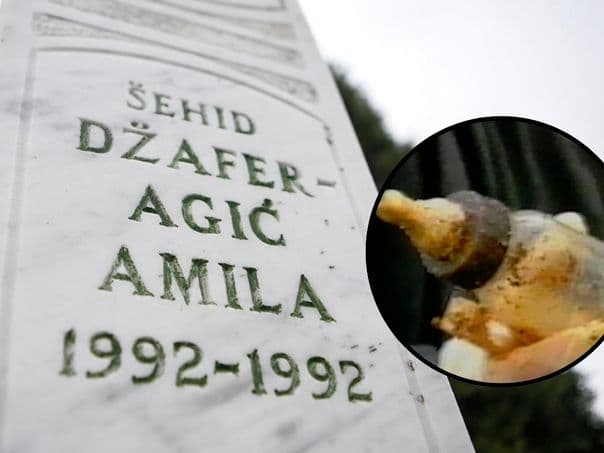
On July 10, 1992, a war crime occurred in the village of Biljani, near Ključ. The 17th Light Infantry Brigade of the Army of Republika Srpska (VRS), along with police from Sanica, attacked the village. Around 260 Bosniak civilians were killed. Mass graves, like Lanište I, were found in 1995 and 1996. From Lanište I, 188 victims were exhumed. Among them were three-month-old Amila Džaferagić and her four-year-old brother Almir, found with their mother Besima.
The Association for Social Research and Communication (UDIK) documented the only conviction for this crime. Marko Samardžija, a company commander, was sentenced to seven years in prison by the Court of Bosnia and Herzegovina. He ordered Bosniak men from Brkići and Balagića Brdo to leave their homes. They were then taken to a meadow and later detained at the Biljani school for questioning. Samardžija was convicted for unlawful detention as part of a wide and systematic attack against civilians.
Other officials, Marko Adamović and Boško Lukić, were acquitted for the Biljani attack, though they were convicted for other crimes in Ključ. Drago Samardžija, a former commander, died in 2021 before his trial could begin. Currently, Jovo Kevac, Braco Marić, Dragan Vukić, Ranko Samardžija, Savo Jokić, Mišo Adamović, and Milorad Kaurin are on trial. They are accused of involvement in the systematic attack on Biljani that killed 250 Bosniak men.
The article points out issues like slow legal processes and lenient sentences. It criticizes the denial of war crimes, glorification of perpetrators, and manipulation of facts, especially during election years. Recently, Drago Tendžerić received a six-month sentence for provoking victims near the Lanište I mass grave. The text calls for proper judicial action to counter such policies and restore faith in justice for survivors and their families. UDIK advocates for rule of law, accountability for human rights violations, and preventing future crimes.