Canadian Bosnians Mark Prijedor White Armband Day
On May 31, 1992, in Prijedor, Bosnia and Herzegovina, non-Serb residents faced a terrible order. They were forced to mark their homes with white flags or sheets. They also had to wear white armbands when they left their houses. This act became a powerful symbol of aggression, genocide, and ethnic cleansing during the Bosnian War.
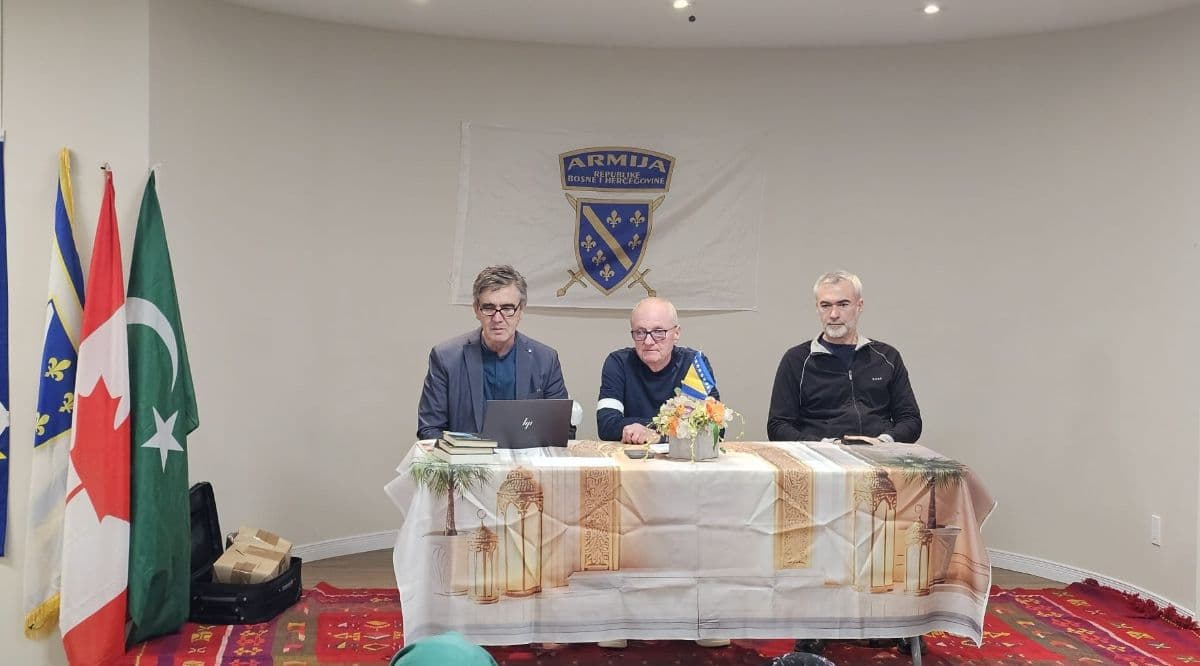
To remember this International White Armband Day, a Bosnian language school in Hamilton, Canada, held a special history lesson. Students and their parents attended to honor the victims. Emir Ramić, who has led the Hamilton Bosnian language school for nearly 30 years, spoke at the event. Ismail ef. Fetić discussed the importance of remembrance from an Islamic view. He said that forgetting injustice allows bad things to happen again. Muhamed Mahmutović, a writer and journalist from Bosnia and Herzegovina, was a special guest. He told attendees that children should learn about these events. This teaching is not to create hatred but to show the importance of kindness and the danger of treating others as less than human. Teacher Emina Kapo created an art display. Students wrote messages on white sheets for people around the world.
The Hamilton Bosnian language school helps connect the past and the future. It teaches children their language and also their identity. It stresses the importance of keeping their identity strong without hatred for others. The white armbands worn by the children and parents show that truth is still alive. They promise that future generations will be better. This history lesson was a pledge. It ensures no child will ever be marked for their name, language, or religion. Defending one person's dignity means defending the dignity of all people.
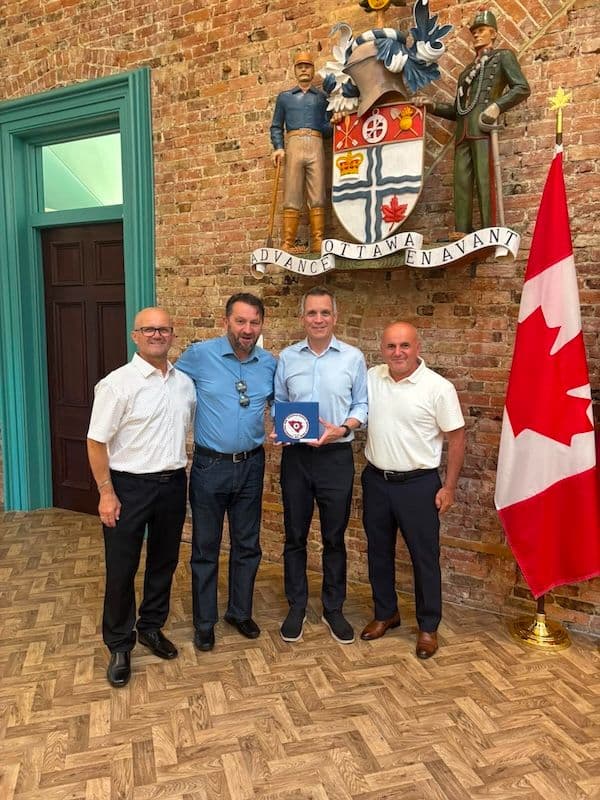
Canada has actively supported the remembrance of White Armband Day. Events in Canada began in 2014. The Canadian Government and Parliament soon backed these efforts. A resolution is now in the Canadian Parliament to officially declare May 31 as White Armband Day in Canada. The city of Hamilton publicly showed its support for the day. John Baird, a former Canadian Foreign Minister, said Canada helps raise awareness of the crimes in Prijedor. He hopes for justice and peace. Brian Masse, a Member of Parliament, has sponsored resolutions on both the Srebrenica genocide and White Armband Day. He strongly supports this global effort against denying genocide. He clearly calls the Prijedor events a genocide and urges people to fight against its denial.
During the war, 3,176 civilians were killed in Prijedor. Most of them were non-Serbs. Around 2,500 victims have been found, but over 550 are still missing. For more than 30 years, people in Prijedor have tried to build a memorial for 102 murdered children. This memorial has not yet been built. The white armbands remind people of the 1992 order. This marking led to widespread arrests, killings, and rapes. From 1992 to 1995, about 50,000 people were forced out of Prijedor. Around 30,000 non-Serb men, women, and children were held in camps like Keraterm, Omarska, and Trnopolje.
It is vital to remember these historical events. May 31 serves as a warning against the evil that happened in Prijedor and Bosnia and Herzegovina. It encourages everyone to work together to stop crimes against humanity, war crimes, and genocide from happening again. The Prijedor genocide is a dark mark on the world's conscience. The message is to remember the past to learn from it. This learning should not lead to hatred. Instead, it should lead to a commitment to justice, human rights, and respect for everyone. An educated person who knows history is the strongest defense against those who try to create hatred and division.
People & Places