Canadian Parliament Considers Resolution for Prijedor White Armbands Day
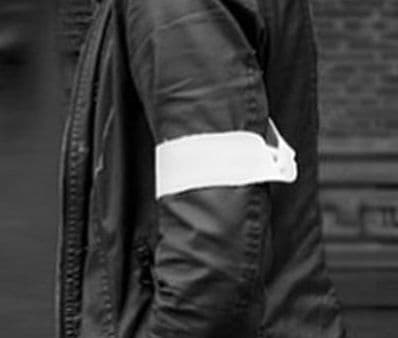
Canada is responding to those who deny the crimes in Prijedor and the existence of white armbands. Prijedor's genocide is the first to be legally confirmed in Bosnia and Herzegovina and in Europe. The High Court in Sarajevo issued a verdict in 1995 against Dragan Opačić, born in 1975. He was found guilty of war crimes and genocide. Opačić, a member of the Bosnian Serb army, committed crimes from mid-November to the end of 1992 in Kozarac, near Prijedor. He was guarding the Trnopolje camp, which held about 1500 Bosniak women, children, and elderly people. His crimes included 23 murders by shooting, two murders by slitting throats, and ten rapes.
In March 2013, the Missouri House of Representatives adopted a resolution. This resolution officially recognized the crimes in Prijedor as genocide, alongside the Srebrenica genocide. The Hague Tribunal confirmed in at least two verdicts that non-Serb residents in Prijedor were forced to display white sheets on their homes and wear white armbands. The Tribunal found that thousands of people were killed, and tens of thousands of Bosniaks and Croats passed through concentration camps.
Former Interior Minister of Republika Srpska, Mićo Stanišić, and former head of the Security Services Center in Banjaluka, Stojan Župljanin, were sentenced to 22 years each. Their verdict stated that Muslims and Croats had to display white flags and wear white armbands. Other individuals convicted for crimes in Prijedor camps include Miroslav Kvočka, Dragoljub Prcać, Mlađo Radić, Zoran Žigić, and Milojica Kos. Bosnian Serb leaders Biljana Plavšić, Momčilo Krajišnik, and Milomir Stakić were also convicted for Prijedor crimes. Appeal processes are ongoing for Radovan Karadžić and Ratko Mladić, who were also found guilty of Prijedor crimes at first instance.
In Prijedor, local groups like “Samopoštovanje” and “Principi” have denied the white armbands and blocked peaceful walks for White Armbands Day. Aleksandar Knjeginjić, previously convicted for Prijedor crimes, started a petition against White Armbands Day last year.
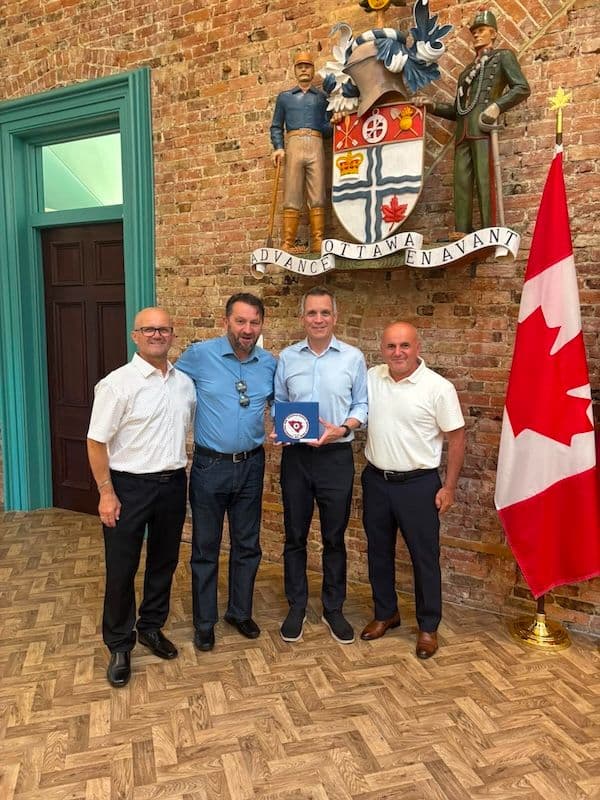
From Canada, a message is being sent: a resolution is under consideration in the Canadian Parliament. It aims to commemorate May 31 as International White Armbands Day in Canada. This shows support for the victims and ensures their voice is heard. The Institute for Research of Genocide Canada is actively involved in raising awareness about these events.
People & Places